

An iPhone screen is designed to withstand everyday use, but accidental drops, bumps and impacts can still cause scratches, chips or cracks. This is why many iPhone users choose to add an iPhone screen protector as an extra layer of protection.
But do screen protectors really prevent cracks?
The short answer is they can help reduce the risk of certain types of screen damage, but they cannot guarantee that an iPhone screen will never crack. The effectiveness depends on the type of protector, the impact, the iPhone model and whether the device is also protected with a suitable case.
In this guide, we'll explain how iPhone screen protectors work, what they can protect against and whether tempered glass or hydrogel is the better choice for everyday protection.
What Does an iPhone Screen Protector Actually Do?
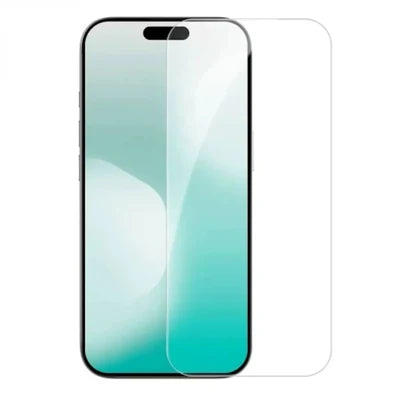
An iPhone screen protector sits over the original display and provides an additional protective layer between the screen and everyday hazards.
Depending on the type you choose, a screen protector can help reduce damage caused by:
- Everyday scratches
- Scuffs and surface marks
- Fingerprints
- Minor knocks
- Contact with objects in pockets or bags
- Some types of low-impact contact
However, a screen protector isn't designed to make your iPhone completely impact-proof.
A significant drop onto a hard surface can still damage the display, even when a protector is installed.
Can a Screen Protector Prevent an iPhone Screen From Cracking?

A screen protector may help reduce the likelihood of screen damage from certain everyday impacts, but it cannot guarantee that the original iPhone display won't crack.
For example, a protector may absorb or distribute some of the force from a minor impact. In some situations, the protector itself may crack while the underlying display remains intact.
However, the outcome depends on several factors, including:
- Height of the drop
- Surface the phone lands on
- Angle of impact
- Location of the impact
- Type and quality of the screen protector
- Whether the iPhone has a protective case
This means it's better to think of a screen protector as an additional layer of protection, rather than an absolute guarantee against cracks.
Tempered Glass vs Hydrogel for Crack Protection
Two popular types of iPhone screen protectors are tempered glass and hydrogel.
Tempered Glass Screen Protectors
Tempered glass is a popular choice for users who want a rigid protective layer over their iPhone display.
A quality tempered glass iPhone screen protector can help protect against everyday scratches and surface damage while providing a smooth, glass-like feel.
One potential advantage is that tempered glass can crack or chip after a significant impact, potentially taking some of the impact instead of the original display.
However, a tempered glass protector isn't a guarantee against screen breakage.
Hydrogel Screen Protectors
Hydrogel protectors are made from a flexible protective material and are generally thinner than tempered glass.
They can provide protection against everyday scratches and surface wear while maintaining a thin profile.
Hydrogel can be a useful option for users who prefer:
- Flexible protection
- A thin screen covering
- Close coverage around display edges
- A less noticeable protective layer
For stronger impact-focused protection, many users may prefer combining a suitable screen protector with a protective phone case.
Read About: Tempered Glass vs Hydrogel Screen Protector: Which Is Better for iPhone?
Does a Cracked Screen Protector Mean It Worked?

Not necessarily—but it can be a sign that the protector absorbed an impact.
If a tempered glass screen protector cracks after your iPhone is dropped, the protector may have absorbed some of the impact. However, you shouldn't assume that the original screen is automatically protected from damage.
Inspect the iPhone display carefully after removing or replacing a damaged protector.
If the protector is cracked, chipped or badly scratched, replacing it is generally a good idea.
Screen Protector vs iPhone Case: Which Is More Important?
A screen protector and an iPhone case protect different areas of your device.
A screen protector primarily covers the front display, while an iPhone case helps protect the back, sides and corners.
For more comprehensive everyday protection, using both can be a practical approach.
A protective case with raised edges may also help reduce direct contact between the display and a flat surface when the phone is placed face-down.
Why Do iPhone Screens Still Crack with a Protector?
It's possible for an iPhone display to crack even when a screen protector is installed.
Some reasons include:
Severe Impact
A high-impact drop can generate enough force to damage the display despite having a protector.
Edge or Corner Impact
The edges and corners of a phone can be particularly vulnerable during drops. If the impact occurs outside the main coverage area of the protector, the screen may still be damaged.
Poor-Fitting Protector
A protector that doesn't fit the exact iPhone model may leave areas of the display exposed.
Damaged Protector
A protector with existing cracks or chips may not provide the same level of protection as an intact one.
No Protective Case
A screen protector only covers the display. Without a suitable case, the sides and corners of the iPhone remain more exposed to impacts.
How to Get Better Protection From an iPhone Screen Protector
Choosing and installing the right protector can make a difference.
1. Choose the Correct iPhone Model
Always check your exact iPhone model before purchasing.
Different iPhone models can have different dimensions, screen sizes and camera or sensor layouts.
A properly fitted iPhone screen protector provides more appropriate coverage than a protector designed for another model.
2. Choose a Suitable Material
If you want a rigid protective layer, consider tempered glass.
If you prefer a thin and flexible option, hydrogel may be more suitable.
3. Check the Coverage
Look for a protector that provides suitable display coverage while remaining compatible with your case.
4. Consider Case Compatibility
A screen protector that works with your iPhone case can help reduce the risk of the case lifting the protector around the edges.
5. Install It Correctly
Dust, fingerprints and poor alignment can affect how well a protector adheres to the screen.
Clean the display thoroughly before installation and follow the product's installation instructions.
What Other Benefits Does a Screen Protector Provide?
Crack prevention isn't the only reason to use an iPhone screen protector.
A good protector can also help:
- Reduce everyday scratches
- Minimise fingerprints and smudges
- Protect against surface scuffs
- Keep the display looking cleaner
- Add an extra layer between the screen and everyday objects
- Maintain the appearance of your iPhone
Some screen protectors also offer additional features.
Privacy Screen Protectors
A privacy screen protector can reduce visibility from certain viewing angles, which can be useful when using your iPhone in public.
Anti-Glare Screen Protectors
An anti-glare screen protector can help reduce reflections from surrounding light.
Clear Screen Protectors
Clear protectors are designed to maintain display visibility and are suitable for users who want protection without significantly changing the appearance of their screen.
How to Protect Your iPhone From Cracks
A screen protector is only one part of an effective protection strategy.
For better overall protection:
Use a compatible screen protector + protective iPhone case + careful everyday handling.
You should also avoid:
- Keeping your iPhone with keys or sharp objects
- Placing heavy objects on top of the device
- Using a damaged screen protector
- Dropping the phone onto hard surfaces
- Continuing to use a severely cracked protector
No accessory can completely eliminate the risk of damage, but combining multiple protective measures can help reduce everyday risks.
When Should You Replace an iPhone Screen Protector?
Consider replacing your protector if it has:
- Large cracks
- Chips
- Deep scratches
- Lifting edges
- Persistent bubbles
- Reduced clarity
- Damage that affects touchscreen use
A damaged protector may not provide the same level of protection as an intact one.
Replacing it with a compatible iPhone screen protector can restore an additional layer of protection over your display.
Are Expensive iPhone Screen Protectors Better?
Price alone doesn't determine how effective a screen protector will be.
Instead of focusing only on price, consider:
- Compatibility
- Material
- Coverage
- Fit
- Case compatibility
- Installation method
- Product specifications
- Your everyday usage
A well-fitted protector designed specifically for your iPhone model can be more useful than simply choosing the most expensive option.
So, Do iPhone Screen Protectors Really Prevent Cracks?
iPhone screen protectors can help reduce the risk of certain types of screen damage, but they cannot guarantee that your iPhone screen will never crack.
Tempered glass can provide a rigid protective layer and may absorb some impact during certain accidents. Hydrogel offers flexible protection and can help protect against scratches and everyday surface wear.
For the best overall approach, consider combining a quality iPhone screen protector with a compatible protective case.
The key is to choose a protector that fits your exact iPhone model and matches how you use your device.
Also Know: How to Choose the Best iPhone Screen Protector for Your Model
Shop iPhone Screen Protectors in New Zealand
If you're looking for additional protection for your iPhone display, explore the range of iPhone screen protectors in New Zealand available from 9eight5.
You can choose from different protection options for various iPhone models, including tempered glass and hydrogel screen protectors.
Before ordering, check your exact iPhone model and choose a compatible protector. For more complete protection, pair it with a suitable iPhone case to help protect both the display and the rest of your device.
Frequently Asked Questions
Q. Do iPhone screen protectors prevent cracks?
A. They can help reduce the risk of some types of screen damage, but they cannot guarantee that an iPhone display won't crack after a significant impact.
Q. Is tempered glass better for preventing cracks?
A. Tempered glass provides a rigid protective layer and can be a practical choice for everyday impact and scratch protection. However, it cannot guarantee protection against screen cracks.
Q. Can hydrogel protect an iPhone screen from cracking?
A. Hydrogel provides a flexible layer of protection and can help reduce scratches and surface wear. For impact protection, consider combining it with a protective iPhone case.
Q. Should I use a screen protector and an iPhone case?
A. Yes. A screen protector and case cover different areas of the phone, so using both can provide more comprehensive everyday protection.
Q. Does a cracked screen protector protect the phone?
A. A cracked protector may still provide some coverage, but it is better to replace it once it is damaged, especially if it has significant cracks or chips.
Q. Can a screen protector prevent scratches?
A. Yes. A screen protector provides an additional surface that can help protect the original iPhone display from everyday scratches and scuffs.