

Choosing the right iPhone screen protector can be confusing, especially when you're deciding between tempered glass and hydrogel. Both options provide an additional layer of protection, but they differ in thickness, flexibility, feel, installation and everyday performance.
Apple's latest iPhones already use advanced front glass, including Ceramic Shield 2 on current models, but a screen protector can still provide an additional sacrificial layer against everyday scratches and wear.
So, is tempered glass or hydrogel better for your iPhone? The answer depends on your iPhone model, how you use your device and the type of protection you prefer.
What Is a Tempered Glass iPhone Screen Protector?
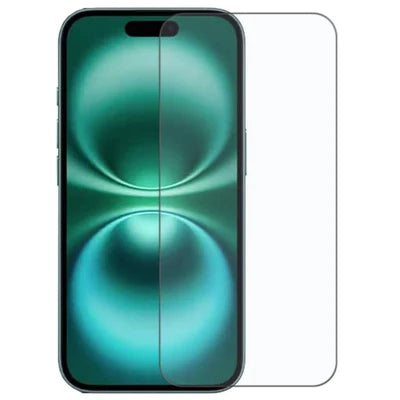
A tempered glass screen protector is a rigid layer of specially treated glass designed to sit over your iPhone's display. It provides a smooth, glass-like surface while helping protect the original screen from everyday scratches, scuffs and minor impacts.
Tempered glass is a popular choice because it generally feels similar to the original iPhone display. A quality protector can also maintain clear visibility and comfortable touchscreen operation.
For users who want a more traditional screen protector with a firm surface and glass-like feel, tempered glass can be an excellent option.
Benefits of Tempered Glass
- Provides a hard protective layer over the display
- Helps protect against everyday scratches and scuffs
- Offers a smooth, glass-like touch experience
- Generally, provides excellent screen clarity
- Easy to clean and maintain
- Available for many iPhone models
- Can be a good choice for everyday impact protection
What Is a Hydrogel iPhone Screen Protector?
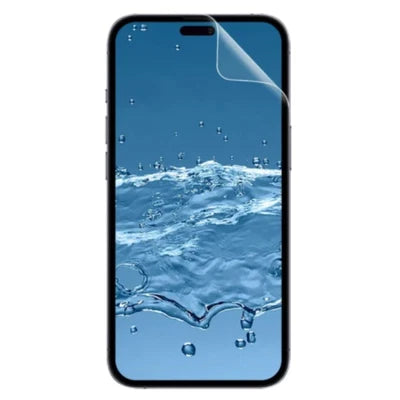
A hydrogel screen protector is a flexible protective film designed to conform closely to the surface of your iPhone display. Unlike rigid glass protectors, hydrogel is thin and flexible, making it particularly useful for displays with curved edges or situations where you prefer a less noticeable layer of protection.
Hydrogel protectors can provide protection against everyday scratches and minor surface damage while maintaining the original appearance of the display.
Their flexible construction can also make them suitable for users who prefer a thinner screen protector.
Read About: How to Keep Your Older iPhone Looking New
Tempered Glass vs Hydrogel: What's the Difference?
The main difference between the two is their construction.
|
Feature |
Tempered Glass |
Hydrogel |
|
Material |
Treated glass |
Flexible protective film |
|
Feel |
Smooth and glass-like |
Softer and slightly flexible |
|
Thickness |
Generally thicker |
Generally thinner |
|
Flexibility |
Rigid |
Highly flexible |
|
Scratch protection |
Excellent for everyday use |
Good for everyday use |
|
Edge coverage |
Depends on design |
Can conform closely to edges |
|
Installation |
Usually straightforward |
May require more careful application |
|
Best for |
Traditional protection and glass feel |
Thin, flexible protection |
The best choice ultimately depends on what matters most to you.
Which Provides Better Protection?
If your priority is a hard protective layer and a glass-like surface, tempered glass is generally the better choice.
Tempered glass provides a rigid surface between your iPhone display and everyday objects such as keys, coins and other items that can cause scratches. It can also help absorb some everyday impacts, although no screen protector can guarantee that an iPhone screen will not crack after a drop.
Hydrogel focuses more on flexibility and surface protection. Its thin construction makes it less noticeable and allows it to conform closely to the display.
It's important to remember that neither type of screen protector makes your iPhone completely drop-proof. Even Apple's Ceramic Shield is designed as part of the phone's overall durability rather than as a guarantee against all damage.
Which Has Better Screen Clarity?
Both tempered glass and hydrogel protectors can offer excellent clarity when you choose a good-quality product.
Tempered glass is often preferred by users who want the closest possible experience to the original glass display. It can provide a smooth surface with minimal changes to everyday viewing.
Hydrogel can also maintain good visibility because of its thin design. However, the appearance and feel can vary depending on the specific protector.
If display clarity is your biggest priority, look for a protector specifically described as high-clarity, ultra-clear or HD transparent.
Which Feels Better When Touching the Screen?
This is largely a matter of personal preference.
Tempered glass generally provides a smooth, hard surface that feels similar to the iPhone's original display. It is particularly appealing to users who frequently scroll, type, browse or play games.
Hydrogel protectors are thinner and flexible. Some users like their less noticeable profile, while others may prefer the harder and smoother feel of glass.
If you want a screen protector that feels more like the original iPhone screen, tempered glass is usually the better choice.
Which Is Better for Curved or Edge-to-Edge Displays?
Hydrogel can be useful when you want a protector that closely follows the contours of a display.
Because hydrogel is flexible, it can conform to edges and curves more easily than a rigid glass protector. This can make it an attractive option for particular screen designs and users who prioritise edge coverage.
However, compatibility is more important than the material itself. Always choose a protector specifically designed for your exact iPhone model.
Different iPhone generations can have different dimensions and display designs, so a protector designed for one model may not fit another correctly.
Tempered Glass vs Hydrogel: Which Is Easier to Install?

Tempered glass protectors are generally straightforward to position because the rigid material maintains its shape during installation.
Hydrogel protectors are flexible, which can make installation slightly different. Correct alignment and careful application are important for achieving a clean finish.
Regardless of the protector type, clean your iPhone display thoroughly before installation. Dust, fingerprints and debris underneath the protector can result in bubbles or an uneven finish.
Apple also recommends using a soft, lint-free cloth when cleaning an iPhone and avoiding moisture entering openings.
Which Screen Protector Should You Choose?
Your choice can depend on your lifestyle:
Choose Tempered Glass If You:
- Prefer a smooth, glass-like touch
- Want a rigid protective layer
- Prioritise scratch resistance
- Want a traditional screen protector
- Prefer easier positioning during installation
- Frequently use your iPhone for gaming or browsing
Choose Hydrogel If You:
- Prefer a thin and flexible protector
- Want a less noticeable layer over the display
- Prefer flexible edge coverage
- Have a display where flexibility is beneficial
- Want an alternative to traditional glass protectors
Is Tempered Glass Better Than Hydrogel for iPhone?
For most users looking for everyday iPhone screen protection, tempered glass is a strong all-round choice because of its rigid construction, smooth feel and excellent scratch protection.
However, hydrogel can be the better option if you prioritise flexibility, thinness and close coverage around the display.
There isn't one universally "best" screen protector. The right option depends on your iPhone model and how you use your device.
How to Choose the Right iPhone Screen Protector
Before purchasing an iPhone screen protector, consider these factors:
1. Check your iPhone model
Make sure the protector is specifically compatible with your exact iPhone model.
2. Consider your daily use
If your phone is frequently exposed to keys, bags or everyday knocks, a tempered glass protector may be preferable.
3. Decide between glass and flexibility
Choose tempered glass for a firm, glass-like surface or hydrogel for a thinner and more flexible option.
4. Check case compatibility
If you use an iPhone case, make sure the screen protector is designed to work with cases and doesn't interfere with the edges.
5. Consider additional features
Depending on your needs, you may also want to consider privacy, anti-glare, high-clarity or other specialised screen protector options.
Protect Your iPhone Screen with the Right Protector
Whether you choose tempered glass or hydrogel, adding a quality screen protector can help keep your iPhone display looking newer for longer.
At 9eight5, you can explore a range of iPhone screen protectors in New Zealand designed for different iPhone models. From tempered glass to hydrogel options, choose a protector that matches your device, lifestyle and preferred level of everyday protection.
Pair your screen protector with a compatible iPhone case for additional protection around your device and help keep your iPhone ready for everyday use.
Also Know: Trending iPhone Case Designs Everyone Loves
Frequently Asked Questions (FAQs)
Q. Is tempered glass better than a hydrogel for an iPhone?
Ans. Tempered glass is generally preferred for users who want a rigid protective layer and smooth glass-like feel. Hydrogel is better suited to users who prioritise flexibility and a thin profile.
Q. Does hydrogel protect an iPhone screen?
Ans. Yes. Hydrogel provides an additional protective layer that can help reduce everyday scratches, scuffs and surface wear. It is not designed to make an iPhone completely drop-proof.
Q. Does tempered glass affect iPhone touch sensitivity?
Ans. A properly fitted, quality tempered glass protector should generally maintain comfortable touchscreen use. Always choose a protector designed specifically for your iPhone model.
Q. How often should I replace an iPhone screen protector?
Ans. Replace it when it becomes cracked, heavily scratched, damaged, starts lifting at the edges or no longer provides the appearance and protection you want.
Q. Can I use an iPhone case with a screen protector?
Ans. Yes. For the best fit, choose a screen protector that is compatible with your case and specifically designed for your iPhone model.