

Your smartphone’s screen is one of its most important—and most vulnerable—components. From accidental drops to daily scratches, smudges, and wear, your screen goes through a lot. A single crack can affect visibility, touch sensitivity, and even device functionality. That’s why screen protectors have become an essential accessory for modern mobile devices. But when do you actually need one, and which type suits your lifestyle best?
In this guide, you’ll explore when a screen protector is necessary, the different types available, and how choosing the right one enhances the overall longevity of your phone. We’ll also highlight how screen protectors complement other essential accessories available at 9eight5.co.nz, helping you build complete protection for your device.
1. When Do You Really Need a Screen Protector?
Although all phones now come with some form of display protection—Gorilla Glass, Ceramic Shield, or scratch-resistant coatings—these are not fully immune to damage. Here are key scenarios where a screen protector becomes essential:
Daily Wear & Tear
Your phone comes into contact with keys, coins, desks, and bags. Even small abrasions can dull the screen over time. Using a screen protector helps prevent micro-scratches that occur through everyday use.
Accidental Drops
A high-quality tempered glass protector absorbs impact and prevents cracks from spreading. Pairing your screen protector with durable phone cases provides maximum drop protection.
Outdoor & Active Lifestyles
If you hike, cycle, work outdoors, or travel frequently, your device is more exposed to dust, moisture, and harsh conditions. Screen protectors, along with rugged cases and car phone holders, significantly reduce risk.
High-Usage Device Owners
If your smartphone is essential for work, meetings, content creation, or daily communication, protecting the screen helps maintain its quality and responsiveness for longer.
Expensive Device Owners
Premium smartphones—particularly the latest Samsung and iPhone models—are costly to repair. A screen protector is a small investment that can save you hundreds in repairs.
2. Types of Screen Protectors: Which One Is Best?
Not all screen protectors are made equal. Each type offers different levels of protection, clarity, and functionality. To choose the best, you need to understand your usage style.
Tempered Glass Screen Protectors – The Best All-Rounder
Tempered glass protectors are the most popular choice due to their durability and premium feel. They provide excellent impact resistance and offer a smooth touch similar to the original screen.
Best for:
✔ Everyday users
✔ Those prone to dropping their devices
✔ Anyone who wants strong impact protection
These pair perfectly with iPhone cases, Samsung cases, and backpacks (users travelling often can safely store their devices inside). You can feature these on the website’s screen protector or device-specific collections.
Anti-Blue Light Protectors – For Eye Comfort
These protectors reduce blue-light exposure, making screen time more comfortable for those who spend long hours on their device.
Best for:
✔ Students
✔ Office workers
✔ Night-time users
Pair with laptop accessories or MacBook screen protectors (internal link), as users who value eye protection often protect all their devices.
Privacy Screen Protectors – For Security
Privacy protectors limit viewing angles, preventing others from peeking at your screen. Ideal for crowded environments.
Best for:
✔ Commuters
✔ Professionals
✔ Users who often work in public spaces
This is a great category to internally link to camera stands/holders as these users often multitask on the go.
Matte or Anti-Glare Protectors – For Outdoor Use
Matte protectors reduce glare from sunlight and indoor lighting, making them ideal for people frequently outside or travelling.
Best for:
✔ Outdoor workers
✔ Travellers
✔ Cyclists and runners
Complement the blog with internal links to car chargers, USB cables, or travel accessories for a complete mobile-on-the-go setup.
Film Protectors – Basic & Budget-Friendly
Film protectors are thin, flexible, and ideal for scratch resistance. While they don’t offer the same impact resistance as tempered glass, they’re great for users who prefer something lightweight and ultra-thin.
Best for:
✔ Minimalist users
✔ Those who prioritize screen sensitivity
✔ Budget shoppers
You can internally link to Samsung phone cables, fast chargers, or mobile accessories often purchased along with budget protectors.
3. Why Screen Protectors Work Best with Other Protective Accessories
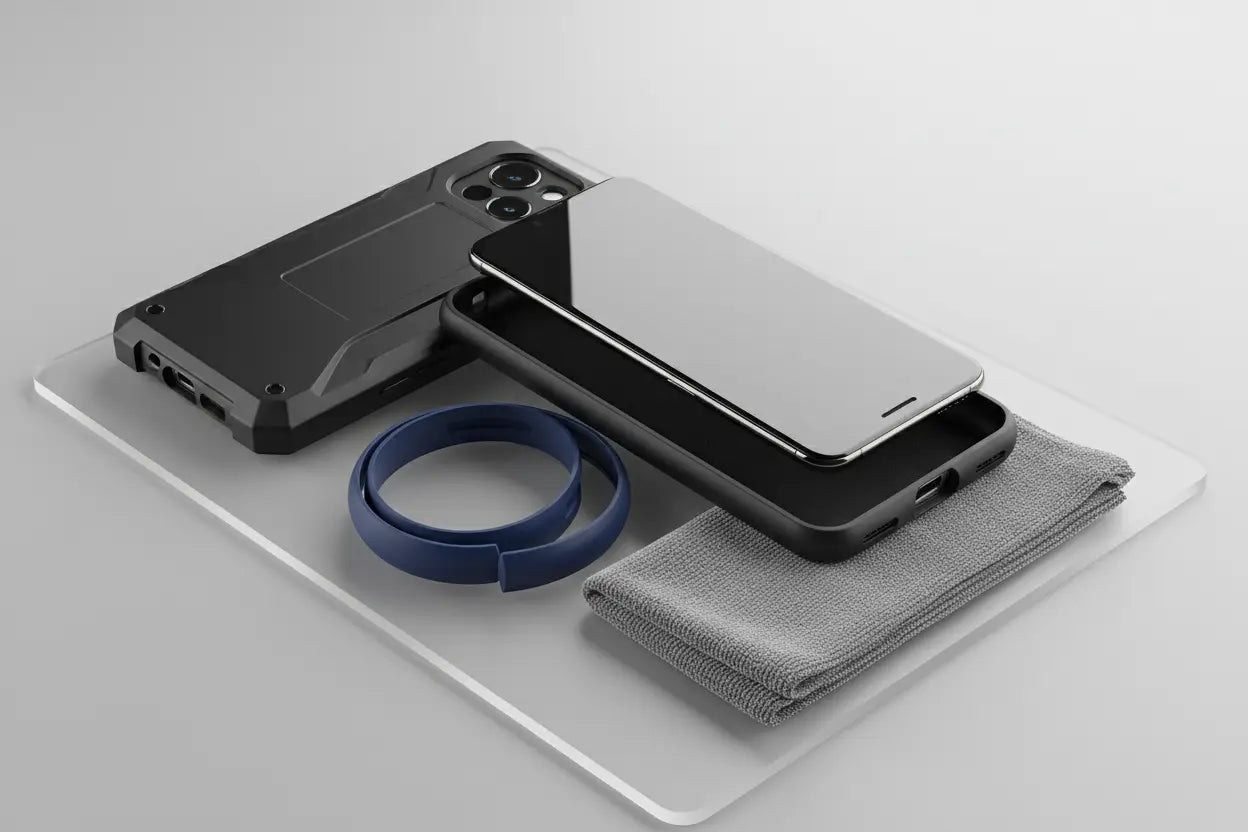
While a screen protector alone offers great value, it becomes far more effective when combined with other accessories available at 9eight5.co.nz.
Phone Cases
Pairing a tempered glass protector with a shock-absorbing phone case gives full protection from both impact and scratches. Link internally to:
-
iPhone cases
-
Samsung phone cases
-
General phone case collection
Chargers & Cables
Safe charging prevents overheating and screen malfunction. Quality car chargers, USB-C cables, and Samsung fast charger cables protect both the battery and runtime.
Car & Desk Holders
Using secure phone holders prevents accidental drops while driving or working at your desk.
4. How to Choose the Best Screen Protector for Your Phone
Here’s a quick guide to help you decide:
-
Pick tempered glass for all-round protection
-
Choose anti-glare or matte for outdoor use
-
Select privacy glass if you travel or work in public
-
Opt for film protectors if you prefer ultra-thin coverage
-
Match your protector with a compatible case and accessories
Conclusion: Protect Your Screen the Smart Way
A screen protector is more than just an accessory—it’s a long-term investment in your device’s safety, clarity, and performance. Whether you’re looking for everyday scratch resistance, privacy features, or heavy-duty drop protection, the right screen protector makes all the difference.
Explore the complete range of screen protectors, phone cases, chargers, cables, holders, and more at 9eight5.co.nz to keep your smartphone fully protected and performing at its best