

Camping is a great way to explore the outdoors, spend time with family and friends, and take a break from everyday routines. However, smartphones, smartwatches, GPS devices and other gadgets can still be useful when you're away from home. They help you check weather forecasts, navigate unfamiliar trails, capture memories and stay in touch when necessary.
The challenge is keeping these devices powered when electricity is limited or unavailable. With the right equipment and a little preparation, you can enjoy the convenience of technology without constantly worrying about battery levels.
1. Choose the Right Gadgets for Your Camping Trip
Before packing your electronics, consider where you're going, how long you'll be camping and which devices you'll genuinely need. Carrying too many gadgets can increase your luggage weight and create unnecessary charging requirements.
A smartphone is useful for navigation, photography, weather updates and emergency communication. A smartwatch can help you monitor activity, check notifications and track outdoor adventures. A compact power bank can provide backup energy, while a dedicated torch or camping light helps illuminate your surroundings after sunset.
For longer trips, consider carrying a portable radio or emergency communication device suitable for your destination. Remember that mobile coverage may be limited in remote areas, so download important information before leaving and never rely exclusively on your phone for emergencies.
Choose practical, reliable equipment rather than packing every device you own.
2. Carry a Reliable Power Bank
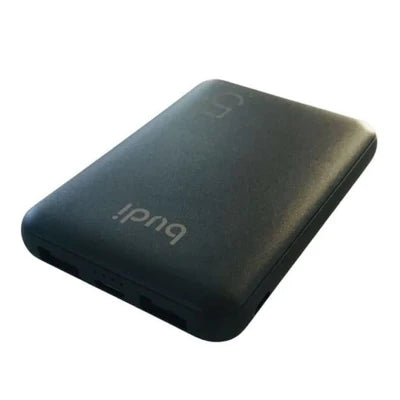
A power bank is one of the most useful accessories for camping because it allows you to recharge compatible devices without needing a wall socket. It can be particularly valuable during multi-day trips, long hikes and journeys through areas with limited facilities.
When choosing a power bank, consider its capacity, weight, charging speed and compatibility with your devices. A higher-capacity model may provide more charging opportunities, but it will generally be heavier to carry.
Fully charge your power bank before departure and check its remaining capacity before each day of activities. If you're travelling with several people, establish a simple charging schedule so everyone can recharge essential devices when needed.
Keep your power bank dry and protected from extreme temperatures. Follow the manufacturer's instructions for use and storage, and check airline restrictions if your camping trip involves flying.
3. Keep Your Smartwatch Charged

Smartwatches can be useful camping companions, especially if you use GPS tracking, fitness monitoring, navigation or outdoor activity features. However, these functions can consume battery power more quickly than ordinary timekeeping.
Before leaving home, fully charge your watch and review its battery-saving settings. Reducing screen brightness, limiting unnecessary notifications and disabling features you don't need can help extend battery life.
Remember to pack the correct charging cable for your specific watch model. If you use a Garmin smartwatch, explore Garmin smartwatch chargers to find a compatible charging option for your device. Always check the exact model and connector requirements before purchasing a replacement or spare charger.
For longer camping trips, a dedicated smartwatch charging cable from Thatwatchshop can help you keep your wearable ready for the next hike, ride or outdoor activity.
4. Use Portable Lighting for Safer Nights
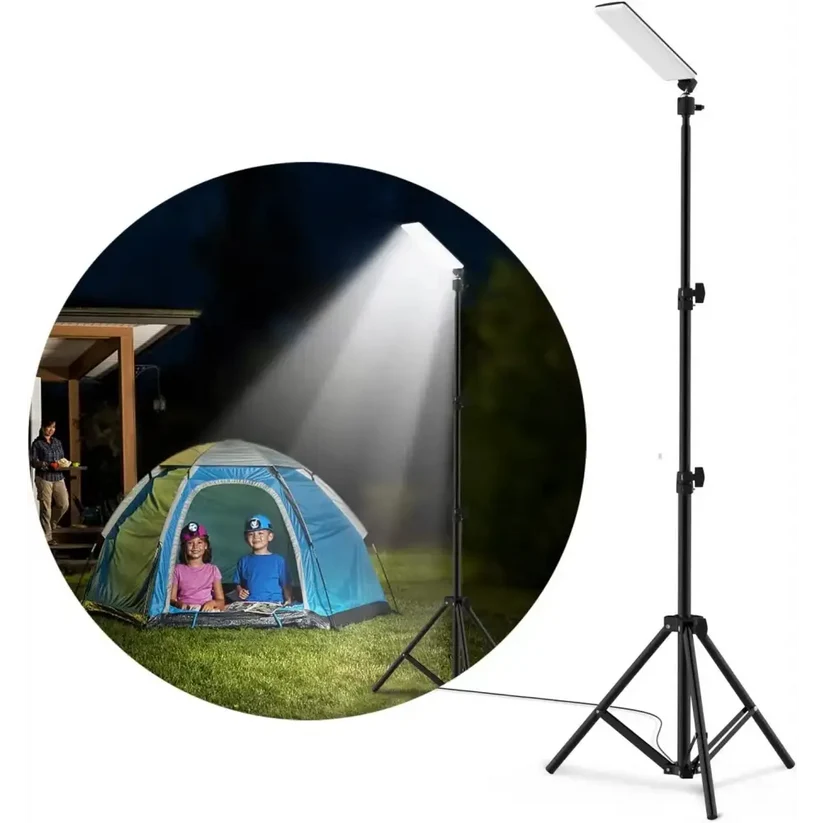
Reliable lighting is essential when camping. It helps you prepare meals, organise equipment, move around your campsite and find items inside your tent after dark.
A headlamp is useful when you need both hands free, while a lantern can illuminate a wider area around your campsite. A compact torch is also worth carrying as a backup in case your main light runs out of power.
Rechargeable lighting can reduce the need for disposable batteries, while solar-powered options may be useful during trips with plenty of daylight. Explore portable camping lights and LED lighting to discover options for outdoor activities and emergency use.
Charge rechargeable lights before departure and check their expected battery life. For remote trips, consider carrying a backup light that does not depend on your main charging setup.
5. Consider Solar Charging for Longer Adventures
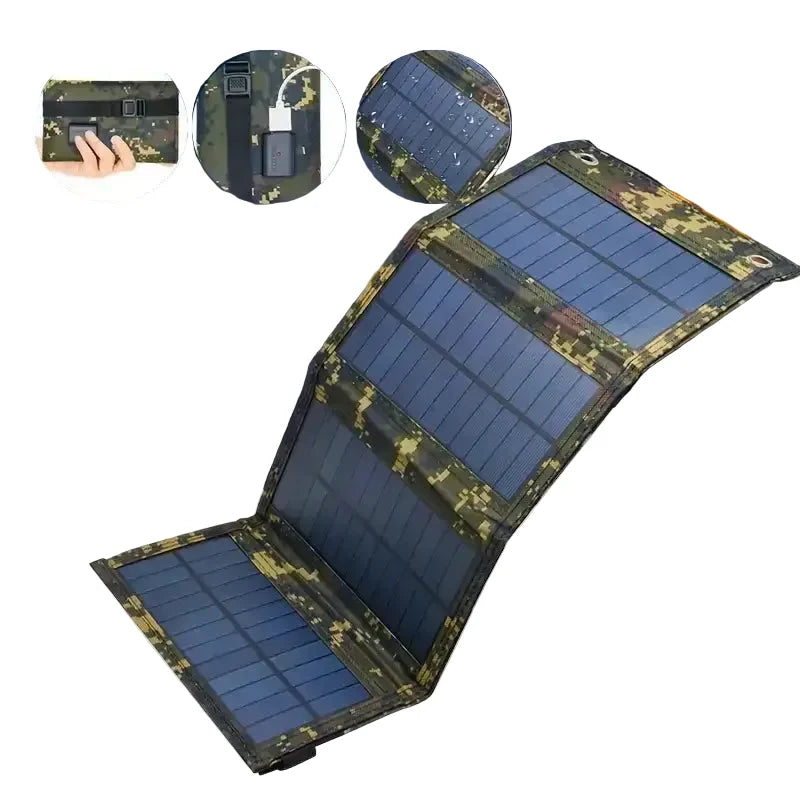
If you're planning an extended camping trip, portable solar charging equipment may help you access additional power away from traditional electrical outlets.
Depending on the setup, a portable solar panel can provide energy to compatible devices or recharge a power bank during daylight hours. This can be particularly useful for campers who spend several days outdoors or travel with multiple rechargeable gadgets.
Solar charging depends on sunlight, panel capacity, positioning and weather conditions. Cloudy conditions, shade and shorter daylight hours can reduce performance, so it is best treated as a supplementary power source rather than a guaranteed replacement for a fully charged power bank.
For additional preparedness, a solar and hand-crank emergency radio with power bank combines several useful functions in one device, including a radio, flashlight and alternative charging options. Check the product specifications and battery capacity to ensure it meets your needs.
6. Follow Smart Charging Habits
Good charging habits can help your equipment last longer throughout your trip. Start by charging all essential devices the night before departure and checking that your cables and adapters are working correctly.
Keep cables organised in a waterproof pouch or separate compartment in your backpack. This reduces tangling and helps protect connectors from dirt and moisture. Avoid charging electronics where they could be exposed to rain, condensation or spilled drinks.
You can also conserve battery power by downloading offline maps, saving important contact information and storing tickets or reservations for offline access where possible. Switch on battery-saving modes when needed and close unnecessary applications that continue using power in the background.
For devices with lithium-ion batteries, follow the manufacturer's guidance and avoid leaving them in excessively hot or cold environments.
7. Prepare a Camping Technology Checklist
A quick checklist before departure can prevent common problems and help you avoid carrying unnecessary equipment.
Consider packing:
- A fully charged smartphone
- A compatible smartwatch charger
- A power bank and suitable charging cable
- A rechargeable torch, headlamp or camping lantern
- A solar charging option for longer trips, if appropriate
- Offline maps and saved emergency information
- A protective pouch for electronics and cables
- A backup light and any essential spare batteries
Adjust this list according to your destination, trip length and access to electricity. Always follow local camping guidance and carry suitable emergency supplies.
Final Thoughts
Staying connected while camping is easier when you plan your power needs before leaving home. A reliable power bank, compatible smartwatch charger, portable lighting and sensible battery-saving habits can help keep your essential devices ready throughout your adventure.
For longer trips, solar charging and emergency equipment can provide additional flexibility. Choose gadgets from our platforms such as 9eight5, thatwatchshop & Habicare that suit your activities, protect them from the elements and remember that technology should support your camping experience rather than distract you from it.
With the right preparation, you can enjoy the outdoors with greater confidence while keeping your essential devices powered when you need them.